Bournemouth basement flat drains can cause more stress than drainage problems in upper-level homes. When a lower-ground toilet, shower, sink or floor waste starts backing up, the problem can affect the flat quickly. Smells, slow drainage and wastewater near low-level fittings need careful checking because the affected drain may sit below other parts of the building.
Basement flats and lower-ground homes often share pipework with the rest of the property. In converted buildings, several flats may use the same drain run. Because of this, a blockage or fault elsewhere in the system can show up first in the lowest part of the building.
Bournemouth Drains24 helps homeowners, tenants, landlords and managing agents with drain unblocking, CCTV drain surveys, drain repairs and emergency drainage problems across Bournemouth and nearby areas.
Why Bournemouth basement flat drains need extra care
Lower-level drains often deal with more pressure when something goes wrong. Wastewater naturally looks for the lowest point when a pipe blocks or slows down. In a basement flat, that lowest point may include a toilet, shower tray, floor drain or utility sink.
This does not mean every basement flat has a serious drain fault. However, it does mean small warning signs deserve attention. A slow-draining shower in a lower-ground flat may point to a local trap issue. It may also point to a shared drain run that has started to back up.
Good checks help separate a small local problem from a wider drainage fault.
Common warning signs in basement flats
Drain issues in basement flats can start quietly. Often, the first signs appear before a full blockage happens.
Look out for:
- A toilet that rises before it drains away.
- A shower tray that drains slowly or gurgles.
- Water backing up into a bath, sink or floor waste.
- Bad smells near low-level fittings.
- Several drains in the flat running slowly at the same time.
- Wastewater appearing after another flat uses water.
- Gurgling when upstairs toilets flush.
- An outside chamber holding water instead of flowing away.
- Repeat blockages after normal clearing.
- Drain problems that affect the flat more than the rest of the building.
One sign on its own may have a simple cause. However, several signs together can point to a shared drain problem or a fault further along the pipe.
Why lower-level drains can back up first
When a drain blocks, wastewater cannot move away as it should. It then finds the easiest place to escape or rise. In many buildings, that place sits at the lowest drain opening.
This is why a basement toilet, shower or floor waste may show the problem before anyone upstairs notices anything. The upper flats may still seem fine while the lower flat suffers the first signs of trouble.
If wastewater backs up into a basement flat, the issue needs fast attention. The problem may not sit inside the flat itself. It may sit in a shared drain, outside chamber or pipe run serving more than one part of the building.
Shared pipework in converted Bournemouth buildings
Bournemouth has many converted houses, older flats and buildings with changed layouts. A property may have started as one home before owners split it into separate flats. Over time, kitchens, bathrooms and utility areas may have moved to suit the new layout.
Those changes can leave lower-level flats with awkward drainage routes. A pipe may pass through shared areas, under paths, beneath gardens or around extensions. Access points may also sit behind gates, bins, decking or stored items.
When several homes use the same pipe, a blockage can affect the lowest flat first. That can create confusion over where the fault sits and who needs to arrange the check.
When the problem may not come from your flat
Basement flat drainage problems do not always start inside the flat. The fault may come from higher up the building or further along the shared run.
For example:
- Wipes or sanitary products from another flat may catch in a shared pipe.
- Grease from an upstairs kitchen may build up further down the run.
- A shared chamber may hold waste because the outlet has blocked.
- Roots may enter an outside drain serving the whole building.
- A damaged joint may catch waste before it reaches the main sewer.
- A poor pipe route may slow the flow from several flats.
This is why it helps to check the full drain path, not only the fitting that first shows the problem.
Basement toilets, showers and floor drains
Basement bathrooms need reliable drainage because wastewater sits close to the living space. A small backup can quickly affect flooring, walls, fixtures and personal items.
Toilets may show early warning signs when water rises higher than usual. Showers may start to drain slowly. Floor drains may smell or let water rise when another fixture empties.
These signs can point to a local blockage. However, they can also suggest a problem in the wider drain run. If the issue keeps coming back, a simple plunger or chemical cleaner will not solve the main cause.
Why bad smells matter in lower-ground flats
Bad smells in a basement flat can come from dry traps, poor ventilation, blocked waste pipes or a fault in the drain. Because lower-level areas often have less airflow, smells can feel stronger and linger for longer.
A smell that appears after water use may point to a drain issue. A smell near a shower, toilet, floor waste or outside chamber also needs checking if it keeps returning.
Do not ignore a smell that comes with gurgling, slow drainage or water backing up. Together, those signs can suggest a blockage or poor flow inside the pipe.
How CCTV surveys help with basement flat drains
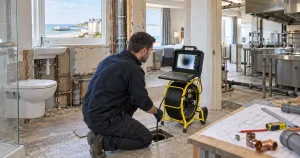
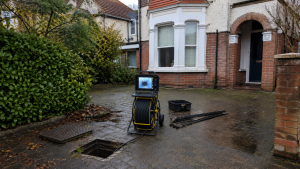
A CCTV survey gives engineers a clear view inside the pipe. It can show where the drain runs, where waste slows down and whether the pipe has damage, roots, silt, standing water or poor fall.
This matters in basement flats because the visible problem may not sit where the fault starts. A shower may back up because of a blockage several metres away. A toilet may gurgle because air cannot move through the pipe properly.
A CCTV drain survey can help confirm whether the issue sits inside the flat, in a shared pipe, near an inspection chamber or further along the drainage run.
When drain unblocking may solve the problem
Some basement flat drain problems come from simple blockages. Hair, soap, wipes, paper, grease and general waste can slow the drain or block it fully.
A drain unblocking visit can restore flow when the pipe has a clear blockage and no deeper fault. This can help quickly where water backs up or drains stop working.
However, if the same problem returns, the team may need to check the pipe with CCTV. Repeat problems often need more than another clearance.
When basement flat drains may need repair
Drain repairs may become necessary when a blockage keeps returning because of a pipe fault. A damaged pipe can catch waste, let roots in, hold water or lose its shape.
Possible repair triggers include:
- Cracked pipework.
- Open or displaced joints.
- Root entry through a weak point.
- Standing water in part of the pipe.
- Pipe sections that no longer line up.
- Broken chamber connections.
- Collapsed or partly collapsed pipework.
- Repeat blockages in the same section.
Drain repairs should match the fault, pipe depth, access and pipe condition. A CCTV check can help avoid guesswork before any repair decision.
Why access can make basement drainage harder
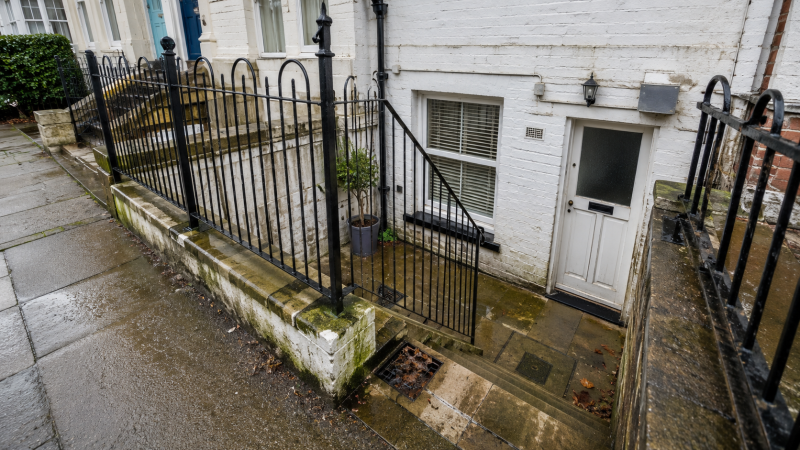
Access often creates the biggest challenge in basement flats and converted buildings. The drain may run through a side path, shared garden, bin area, rear yard or locked access route.
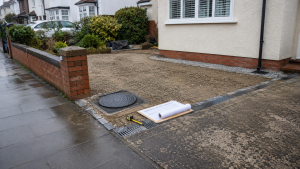
In some buildings, the right chamber may sit outside the flat or within a shared area. In others, paving, decking, stored items or garden work may hide the chamber.
Good access helps engineers clear drains, trace pipe runs and check the right section. Poor access can make the job slower and may limit what engineers can see during a CCTV survey.
Landlords, tenants and managing agents
Basement flat drainage problems often involve more than one person. A tenant may spot the issue first. A landlord may need to arrange help. A managing agent may need to deal with shared pipework or shared access.
Clear information helps everyone act faster. It helps to note which fittings have problems, when the issue started and whether other flats have reported similar signs.
Where the problem may involve shared drains, a proper check can help show whether the fault sits inside one flat or in a shared part of the system.
When the problem becomes urgent
Some basement flat drain problems need quick help. Lower-level wastewater problems can worsen fast because the flat sits close to the lowest part of the drainage system.
Call for urgent help if:
- Wastewater backs up into the flat.
- A toilet will not clear.
- A shower or floor drain starts filling with dirty water.
- Several fittings stop draining at the same time.
- Bad smells become strong and do not clear.
- An outside chamber fills with foul water.
- The problem affects the living space.
- Water enters the flat after another part of the building uses drains.
For urgent problems, emergency drainage services can help restore flow and reduce the risk of further mess.
What basement flat residents can check safely
Residents can make simple checks before calling for drainage help. These checks can help explain the problem clearly.
- Check whether one fitting or several fittings drain slowly.
- Notice whether the issue gets worse after upstairs water use.
- Look for gurgling from toilets, showers, baths or sinks.
- Check outside chambers if they are safe and easy to see.
- Ask neighbours whether they have similar drain issues.
- Report smells, slow drainage or backing up early.
- Avoid flushing wipes, grease or heavy paper.
- Keep access to chambers and side paths clear where possible.
Do not lift heavy, cracked or unsafe chamber covers. Also avoid strong drain chemicals if wastewater has already backed up, as they may not help and can make the area harder to work around.
How to reduce repeat basement flat drain problems
Not every drain fault can be prevented. However, good habits and early checks can reduce repeat problems.
- Keep grease, wipes and sanitary products out of drains.
- Act quickly when slow drainage keeps returning.
- Arrange CCTV checks for repeat or unclear faults.
- Keep shared drain access clear.
- Ask landlords or agents to keep records of drain issues.
- Check drain routes before building or garden work.
- Deal with cracked or root-damaged drains before they worsen.
- Use repair advice where CCTV shows a clear fault.
These steps help protect lower-level homes and make future checks easier.
Get Bournemouth basement flat drains checked properly
Bournemouth basement flat drains can need careful checking when toilets, showers, sinks or floor wastes start backing up. The fault may sit inside the flat, but it may also sit in a shared drain, outside chamber or older pipe run.
Bournemouth Drains24 can help with drain unblocking, CCTV drain surveys, drain repairs and emergency drainage problems across Bournemouth.
If a lower-ground flat keeps getting smells, slow drainage, gurgling or wastewater backing up, it is worth checking the drain before the issue becomes harder to deal with.
FAQs
Why do basement flat drains back up first?
Basement flat drains often sit at the lowest point in the system. If a shared drain blocks or slows down, wastewater may show in the lower-level flat before other parts of the building notice a problem.
Can an upstairs flat cause a basement drainage problem?
Yes. If several flats share a drain, waste from another flat can contribute to a blockage further down the pipe. The basement flat may show the first signs because it sits lower.
When should I arrange a CCTV drain survey?
Arrange a CCTV drain survey if the same drain keeps blocking, several fittings drain slowly, smells return, or wastewater backs up without a clear local cause.
Can drain unblocking fix basement flat drainage problems?
Drain unblocking can restore flow if the problem comes from a blockage. If the issue returns, the drain may need a CCTV check to find damage, poor fall, roots or another cause.
Can Bournemouth Drains24 help with basement flat drains?
Yes. Bournemouth Drains24 can help with lower-level drain problems, drain unblocking, CCTV surveys, drain repairs and urgent wastewater backups in Bournemouth basement flats.