A Bournemouth water meter still moving when every tap and appliance is off can point to a hidden leak. However, the first reading only shows that water is passing through the meter. It does not tell you whether the fault sits inside the house or on the private underground supply pipe.
The internal stop tap provides the next useful clue. If the meter continues to record water after that tap has fully shut off the house supply, water may be escaping between the external meter and the internal stop tap. That section is usually the property’s private supply pipe.
This check can prevent guesswork. In addition, it can help you call the right company before anyone lifts paving or starts digging.
What can a moving Bournemouth water meter tell you?
Your meter records water entering the property. Therefore, it should stay still when nobody uses water and every fitting has stopped running.
Even so, a moving dial does not automatically prove that an underground pipe has burst. A toilet cistern that keeps filling, a dripping outside tap, a faulty appliance or a small internal pipe leak can produce the same result. Therefore, rule out those causes first.
Bournemouth Water recommends a two-stage meter test. First, check whether the meter changes while the property uses no water. Next, repeat the test after closing the internal stop tap. Its official Bournemouth leak-check guidance explains the same split between an internal leak and a possible supply-pipe leak.
How to check your water meter for a leak
Choose a time when everyone can avoid using water. For this reason, allow a full hour so that a small leak has more time to show on the meter.
1. Turn off every water-using fitting
Start by turning off all taps. Then make sure the washing machine and dishwasher will not run during the test. Meanwhile, ask everyone in the property not to flush a toilet, use a shower or fill a kettle.
Also check outside taps, irrigation controls, toilet cisterns and overflow pipes. For example, a quiet toilet leak can pass a surprising amount of water without leaving a visible puddle.
2. Find the correct meter
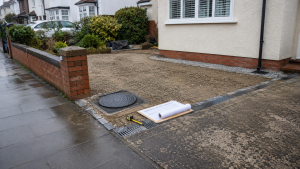
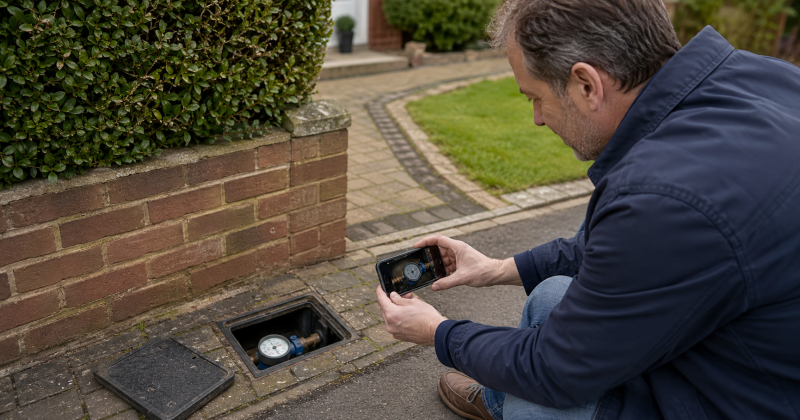
Many Bournemouth homes have an external meter in a small box near the pavement, front boundary or driveway. However, lift the cover only if it is light, stable and easy to reach. Do not struggle with a heavy cover or reach into an unsafe space.
Next, compare the meter serial number with the number on your bill. This step matters near flats, converted houses and shared access routes because several meters may sit together.
3. Record the full reading
First, write down the full reading or take a clear photograph. Include the small red digits or leak indicator because a minor leak may not move the larger numbers during a short test.
Wait for up to one hour without using water. Then record the meter again.
4. Close the internal stop tap
If the reading changed, repeat the test after closing the internal stop tap. You will often find this tap under the kitchen sink, in a utility room, beneath the stairs or close to where the water pipe enters the building.
Turn the tap clockwise without forcing it. Afterwards, open the cold kitchen tap briefly. The flow should stop once the water already in the pipe has run out. However, if it continues to flow, the stop tap may not have closed properly. As a result, the second meter test will not give a reliable answer.
5. Check the meter again
Next, take another reading while the internal stop tap remains closed. Wait between 30 minutes and one hour, then compare the figures.
Finally, reopen the internal stop tap gently. Check that the normal supply returns and look for any drips around the tap.
What do the two meter tests mean?
The pattern across both tests matters more than a single moving dial.
The meter does not move during the first test
You probably do not have a steady leak large enough to register during that period. However, a very small or occasional leak may not show straight away. In that case, an overnight check can provide a clearer result, provided nobody uses water.
If a wet patch appears only during or after rainfall, the source may involve surface runoff rather than the clean-water supply. Our guide to surface water drainage problems in Bournemouth explains what to check around paving, gullies and rainwater pipes.
The meter moves, then stops when you close the internal stop tap
This result points towards water use or leakage after the internal stop tap. For example, a running toilet, leaking tap, appliance connection or internal pipe fault could account for the movement.
Therefore, check visible fittings first. If you cannot find the source, ask a qualified plumber to test the internal plumbing.
The meter still moves with the internal stop tap closed
This result points towards the pipe between the external meter and the internal stop tap. In most layouts, that is the private underground supply pipe.
Before arranging ground work, make sure the internal stop tap closed fully and that you checked the correct meter. Also consider whether the property shares a supply with a neighbour. A shared pipe can keep the meter moving even though your own internal supply is off.
If those checks do not explain the movement, report the result to Bournemouth Water and arrange a private-side pipe assessment.
Does a wet driveway or low pressure prove there is a supply-pipe leak?
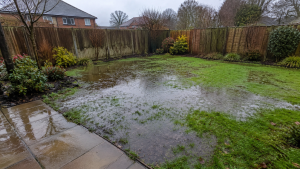
Timing provides another useful clue. If water appears after rain and follows the edge of paving, start with our guide to driveway drainage rules in Bournemouth. On the other hand, wet ground that develops after prolonged rainfall may have a groundwater cause. Our article on groundwater flooding and hidden drain damage in Bournemouth explains how that pattern differs from a pressurised supply leak.
However, no single surface sign proves the cause. For example, a damp driveway could come from rainwater, a leaking gully, groundwater or a clean-water pipe. Likewise, low pressure can result from a local supply issue, a partly closed stop tap, restricted old pipework or a leak.
The following signs make a private supply leak more likely when they appear alongside meter movement:
- Water use rises without a clear change in household use.
- A path, lawn or driveway stays wet during dry weather.
- One strip of grass grows faster or looks greener than the surrounding lawn.
- You hear a faint hiss near the pipe route or internal stop tap.
- Water pressure or flow drops across several cold taps.
- Soft ground or minor settlement develops above the likely pipe route.
Even then, water can travel through soil and appear some distance from the damaged section. For that reason, digging at the wettest spot may miss the leak.
Who is responsible for the leaking pipe?
Bournemouth Water separates the route into several sections:
- The public water main serves several properties and belongs to the water company.
- The communication pipe normally runs from that main to the street boundary and belongs to Bournemouth Water.
- The supply pipe normally runs from the boundary to the internal stop tap and belongs to the homeowner.
- The external meter and external stop tap normally remain Bournemouth Water’s responsibility.
Layouts can vary, especially where several homes share a supply or where the main does not run along the road outside the property. Therefore, confirm the boundary and pipe arrangement before approving repairs.
Tenants should contact their landlord or managing agent. Meanwhile, owners on a shared supply should tell the other connected households before anyone shuts off or repairs the pipe.
How can an engineer find an underground supply-pipe leak?
A good check starts with the meter results, the stop-tap position and the likely route into the building. Next, the engineer can compare pressure and flow at suitable points.
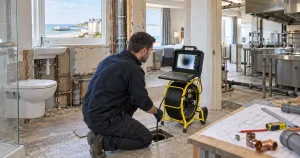
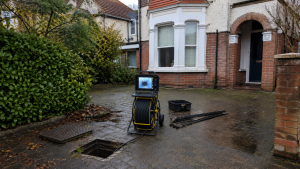
Depending on access and pipe material, the next steps may include listening for escaping water, testing pressure or tracing the route. These checks narrow the search area. As a result, they can reduce unnecessary lifting of paving or excavation across a garden.
Once the likely fault area is clear, the engineer can expose a controlled section and confirm the pipe condition. Bournemouth Drains24 provides private water-main and supply-pipe repairs in Bournemouth, including local repairs and replacement work on private land.
Is a local repair enough, or should you replace the pipe?
For example, a local repair may make sense when one sound pipe has suffered a clear, isolated fault. Access, surface type and pipe condition still affect the decision.
Replacement often offers better value when the pipe has failed more than once or shows wider wear. The same may apply to old lead, galvanised steel or early black alkathene supplies. Repairing one weak point will not improve the rest of an ageing run.
Before choosing, ask the engineer to explain:
- Where the leak sits.
- What material the existing pipe uses.
- Whether the damage looks isolated or widespread.
- How much paving or landscaping each option will affect.
- Whether a new route would provide easier access.
- How the team will test the supply after the work.
Finally, keep the invoice, repair details and a post-work meter reading. You may need them for an insurance claim, a leak allowance or water-company support.
Can Bournemouth Water help with a private leak?
Bournemouth Water currently advertises help for qualifying underground leaks. Its support page lists an initial leak-detection visit, possible help towards repair or full supply-pipe replacement, and a leakage allowance for eligible metered customers.
However, conditions and deadlines apply. Some customers may also receive a formal leakage notice with a set repair period. Check the current Bournemouth Water help with leaks before work starts, and keep every receipt or invoice.
Also check your buildings or home-emergency insurance. Some policies cover trace-and-access work or private water-pipe repairs, while others exclude the pipe itself.
Arrange a private supply-pipe check in Bournemouth
If water is surfacing quickly, spreading towards the building or causing a fast pressure loss, treat the problem as urgent. Our guide to emergency drain and burst-pipe support in Bournemouth explains the immediate contact options.
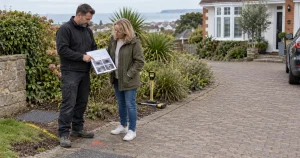
If your Bournemouth water meter is still moving after you close the internal stop tap, do not begin by lifting random areas of the driveway. Confirm the test result, report it to Bournemouth Water and establish which section of pipe needs attention.
Bournemouth Drains24 can assess private underground water pipes across Bournemouth, including Winton, Charminster, Boscombe, Southbourne and Westbourne. We can then explain whether a small repair or a wider replacement offers the more sensible route.
For advice or a booking, call 01202 406770. For an urgent private-side burst or fast water loss, call 07511 181 177.
Frequently asked questions
Can a water meter move when nobody is using water?
Yes. A moving meter shows that water is passing through it. A running toilet, dripping tap, faulty appliance, internal leak or underground supply-pipe leak could cause the movement.
Does meter movement with the internal stop tap off prove the supply pipe is leaking?
It provides strong evidence, but first confirm that the stop tap closed fully and that you checked the correct meter. A shared water supply can also affect the result.
Who repairs a private supply-pipe leak in Bournemouth?
The homeowner normally repairs the supply pipe between the street boundary and the internal stop tap. Bournemouth Water normally looks after the public main, communication pipe, external stop tap and meter.
Could a toilet leak make the meter move?
Yes. A toilet cistern can leak quietly into the bowl. If the meter stops after you close the internal stop tap, check toilets, taps, appliances and internal pipes before looking underground.
Do I need to replace the whole supply pipe?
Not always. A sound pipe with one isolated defect may only need a local repair. However, repeated leaks, poor pipe condition or old materials can make partial or full replacement more sensible.
What if my Bournemouth property does not have a water meter?
Look for unexplained wet ground, lower pressure, hissing, higher water use or a greener strip of lawn. Then ask Bournemouth Water or a qualified contractor to help establish whether the private supply pipe is leaking.