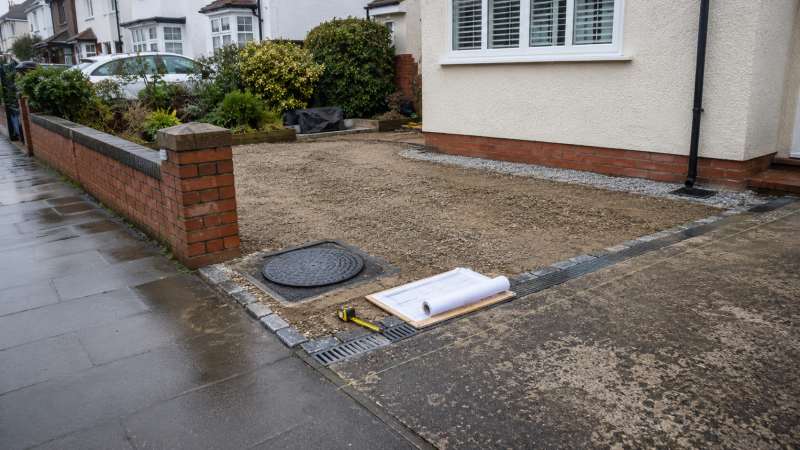
Driveway drainage rules Bournemouth homeowners need to understand can affect more than the finished look of a new driveway. Before paving a front garden, widening parking space or applying for a dropped kerb, homeowners should check how rainwater will drain, where inspection chambers sit, and whether any private or public sewer access could be affected.
A new driveway can look tidy on the surface, but poor drainage planning can lead to standing water, blocked gullies, access problems, damp near the house or disputes over water running onto the pavement or road.
Bournemouth Drains24 helps homeowners, landlords and businesses with drain unblocking, CCTV drain surveys, drain repairs, soakaway problems and emergency drainage issues across Bournemouth and nearby areas.
Why driveway drainage rules Bournemouth homeowners should know matter
Driveway work changes how water moves across a property. Grass, soil and planting beds can absorb some rainwater. Hard surfaces often send water towards the lowest point instead.
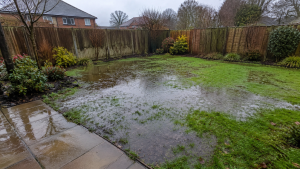
If the driveway has the wrong fall, water can run towards the house, across the pavement, into a neighbour’s property or towards a drain that cannot cope. It can also sit around drain covers and gullies after heavy rain.
Good drainage planning helps before the work starts. It can protect the driveway, keep drain access clear and reduce the chance of extra work later.
What BCP Council says about driveway surface water
BCP Council’s dropped-kerb guidance gives Bournemouth homeowners an important local rule to check. It says that if a driveway surface uses concrete, some types of tarmac, brick paving or another non-porous material, the property needs a drain on the property for surface water.
This matters because water from a private driveway should not simply run across the pavement or public highway. If the new surface sends water towards the road, the design may need drainage channels, a suitable fall, a permeable area, or another on-site surface water solution.
You can read the local dropped-kerb guidance on the BCP Council dropped kerbs page.
Permeable and non-permeable driveway surfaces
Driveway surface choice affects drainage. Permeable surfaces allow water to pass through or drain into a suitable sub-base. Non-permeable surfaces shed water across the top.
Common permeable or partly permeable options can include gravel, permeable block paving and some porous surfacing systems, depending on the full design. Common non-permeable options can include standard concrete, many tarmac finishes and some traditional block-paved layouts where water cannot drain through the surface or into a suitable area.
GOV.UK guidance says planning permission may be needed for traditional impermeable front garden surfacing over 5 square metres where the water does not run to a permeable area. The guidance gives examples such as a lawn, border or other suitable area where water can soak away.
Homeowners can check the national guidance on permeable surfacing of front gardens.
Why water should not run onto the pavement or road
Water running from a driveway onto the pavement or road can cause problems. It can create slippery areas, add pressure to road gullies, carry silt and debris, and leave the driveway with poor drainage performance.
During heavy rain, the issue becomes more obvious. A driveway may shed water quickly, but the road gully may already have leaves, silt or standing water around it. That can make it harder to tell whether the problem comes from the driveway, the public highway drainage or both.
Before paving, homeowners should ask how water will leave the driveway and where it will go during heavy rain.
Inspection chambers and drain covers on driveways
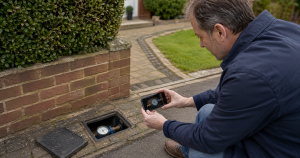
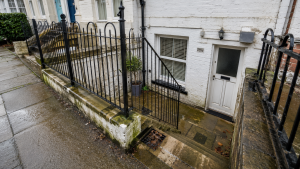
Many Bournemouth homes have inspection chambers or drain covers on driveways, front paths, side access routes or older hardstanding areas. These covers give drainage engineers access to the pipework.
Driveway work should keep those covers visible and easy to open. Paving over a chamber, raising the surface around it, trapping the lid, or placing fixed features over it can make future drain unblocking, CCTV checks and repairs harder.
Access matters most during an urgent blockage. If an engineer cannot reach the right chamber, the job can take longer and may need another route into the drainage system.
Building near or over public sewers
Driveways do not usually raise the same issues as extensions, but sewer access can still matter if new walls, steps, heavy fixed structures, drainage channels, kerbs or other works affect a sewer route.
Wessex Water says anyone who wants to build over a public sewer must seek permission before starting. It also says work must not start on site until formal approval has been granted.
For Bournemouth homes, this matters where a public sewer or shared pipe may cross the property. Homeowners can check Wessex Water’s build over public sewer guidance before carrying out work near sewer routes.
Private drains, shared drains and Wessex Water responsibility
Drain responsibility can affect what happens before and after driveway work. A private drain usually serves one property. A shared sewer or pipe serving more than one property may fall under Wessex Water responsibility.
Wessex Water explains that almost all sewers shared by two or more properties, or serving one property but located outside the boundary, will be public. It also says private drains and sewers remain the responsibility of the properties that use them.
This does not mean every driveway issue belongs to Wessex Water. It means homeowners should understand whether the pipe under or near the driveway serves only their home, joins a neighbour’s drain, or forms part of the public sewer network.
Wessex Water explains this further in its guidance on public and private sewers.
Driveway drainage checks before paving starts
A few checks before driveway work can prevent bigger problems later. These checks also help homeowners ask better questions when speaking with driveway contractors.
- Find every drain cover, gully and inspection chamber before work starts.
- Check whether each cover can still open after the new surface goes in.
- Ask where rainwater will go during heavy rain.
- Check whether the proposed surface allows water to drain through.
- Ask whether water will run to a lawn, border, soakaway or channel drain.
- Check whether the driveway needs a dropped kerb application.
- Ask whether any surface water could run onto the pavement or road.
- Check whether an old sewer or shared pipe crosses the driveway.
- Keep photos of drain covers before the contractor starts.
- Ask for the finished levels around gullies and chamber lids.
These steps help keep drainage practical, legal and easier to maintain.
Warning signs before or after driveway work
Some drainage issues appear before the new driveway goes in. Others show soon after the work finishes.
Warning signs include:
- Water pooling near the front door or garage.
- A gully that fills during rain.
- A chamber lid that sits lower than the new driveway surface.
- A drain cover that no longer opens easily.
- Water running across the pavement from the driveway.
- Leaves, grit or sand collecting near a channel drain.
- Bad smells from a driveway gully or chamber.
- Slow drains inside the house after driveway work.
- Repeat blockages near the front of the property.
- Standing water around a new dropped kerb or driveway edge.
These signs do not always mean the driveway caused the problem. However, they do show that the drainage layout needs checking.
When a CCTV drain survey helps before paving
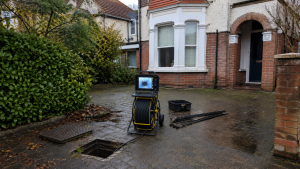
A CCTV drain survey can help when the pipe route is unclear, the property has old drain covers, or the driveway work may cover important access points.
A camera check can show where the drain runs, whether the pipe has cracks, roots, silt, standing water or poor fall, and whether the route passes under the planned driveway area.
This can help before paving starts. It can also help after the work if a drain starts blocking, smelling or backing up once the driveway has been changed.
When drain unblocking may be needed
Driveway work can disturb leaves, grit, soil, sand and old debris around gullies and drain covers. Rain can then wash that material into the drain.
Drain unblocking may help if a gully, channel drain, chamber or pipe has become blocked. Engineers can clear the obstruction and check whether water flows away properly afterwards.
If the same drain blocks again, the cause may sit deeper in the pipe. That can point towards silt, root entry, pipe damage or poor fall.
When drain repairs may be needed
Some driveway drainage problems come from damaged or poorly placed pipework. A new surface may make the symptom more obvious, but the fault may have existed for years.
Drain repairs may need checking if there are signs of:
- Cracked pipework below the driveway.
- Open joints catching waste or silt.
- Root entry near a chamber or gully.
- A broken chamber connection.
- Water sitting inside the pipe.
- Ground movement around a driveway drain.
- Repeated blockages after clearance.
- Water escaping into the surrounding ground.
The repair method should match the fault, depth, access and pipe condition. A proper check can help avoid unnecessary digging.
What to ask your driveway contractor
Good contractors should understand levels, surface water, drain covers and access. Homeowners can still protect themselves by asking clear questions before work starts.
- Will the surface be permeable or non-permeable?
- Where will rainwater go during heavy rain?
- Will water stay on the property?
- Will the driveway need a channel drain?
- Will the surface fall away from the house?
- Can every inspection chamber still open?
- Will any drain cover need raising or resetting?
- Will the driveway affect a shared drain or sewer?
- Do I need BCP Council dropped-kerb approval?
- Do I need Wessex Water advice before work starts?
Clear answers before the work starts can prevent drainage problems after the driveway has been finished.
When the problem becomes urgent
Some driveway drainage problems need quick help, especially when foul water backs up or the home loses normal drainage.
Call for help quickly if:
- Wastewater comes up through an outside drain.
- A toilet backs up and will not clear.
- Several drains stop flowing at the same time.
- A chamber on the driveway fills and stays full.
- Dirty water appears near the house, garage or lower rooms.
- Strong drain smells come from a driveway chamber.
- The problem starts soon after driveway work.
- Water sits against the house after drain use.
For urgent problems, emergency drainage services can help restore flow and reduce further mess.
How Bournemouth homeowners can avoid driveway drainage mistakes
The best time to deal with driveway drainage is before the surface goes down. Once block paving, tarmac, concrete or edging is finished, fixing access or water-flow problems can cost more.
- Plan rainwater drainage before choosing the surface.
- Keep water away from the house and public pavement.
- Use permeable areas where suitable.
- Keep gullies clear of leaves, grit and sand.
- Keep all drain covers visible and usable.
- Check sewer routes before adding fixed features.
- Save photos, plans and contractor notes.
- Arrange drainage checks if the pipe route is unclear.
These simple steps can make a new driveway easier to maintain and less likely to cause drainage trouble.
Get driveway drainage rules in Bournemouth checked before paving
Driveway drainage rules Bournemouth homeowners should consider cover surface water, dropped kerbs, permeable surfacing, inspection chamber access and sewer routes. The right checks can prevent standing water, blocked gullies and costly access problems later.
Bournemouth Drains24 can help with CCTV drain surveys, drain unblocking, drain repairs, soakaway issues and emergency drainage problems across Bournemouth.
If you are planning new driveway work, widening parking space or dealing with water around a newly paved area, checking the drainage route early can give you a clearer next step.
FAQs
Do Bournemouth driveways need drainage?
Many driveways need suitable drainage, especially when the surface does not let water soak through. BCP Council says non-porous driveway surfaces need a drain on the property for surface water.
Can driveway water run onto the pavement?
Driveway water should not simply run onto the pavement or road. Homeowners should plan how surface water will drain within the property or to a suitable permeable area.
Do I need planning permission for a non-permeable driveway?
GOV.UK guidance says planning permission may be needed for traditional impermeable front garden surfacing over 5 square metres where water does not run to a permeable area.
Can I pave over a drain cover on my driveway?
No. Drain covers and inspection chambers should stay visible and easy to open. Covering them can make future drain unblocking, CCTV surveys and repairs harder.
Can Bournemouth Drains24 check drains before driveway work?
Yes. Bournemouth Drains24 can help check drain routes, inspection chambers, gullies and pipe condition before or after driveway work.