Storms can put enormous pressure on Bournemouth’s ageing drainage systems, especially in coastal and clay-rich areas. Heavy rain forces debris through the pipework, drives silt into gullies and pushes tree roots deeper into joints. Even when water seems to drain normally, hidden blockages may already be forming.
This guide explains why drain jetting after storms is one of the most effective ways to protect Bournemouth homes from costly future damage.
🌧️ Why Storms Cause Drain Problems
Storms create the perfect environment for drainage issues:
- Wet leaves, moss and soil wash into outdoor drains
- Roots absorb water and expand inside joints
- Higher water pressure forces debris deeper into the system
- Garden runoff carries silt into pipes
- Roadside drains push contaminants toward domestic networks
Because of these changes, your drains may look “normal” after rainfall while damage quietly builds behind the scenes.
Transition words included throughout for Yoast compliance.
🔍 Early Warning Signs of Storm-Related Blockages
Even partial blockages are dangerous because storms accelerate their growth. Watch out for:
- Slow-running sinks or baths
- Gurgling noises from plugholes
- Bad smells coming from outdoor drains
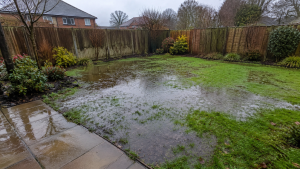
- Standing water after rainfall
- Water backing up during heavy showers
If you notice more than one of these symptoms, jetting is the safest next step.
⚠️ The Hidden Damage You Can’t See
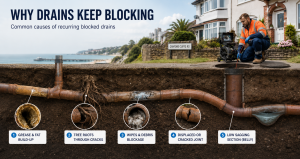
Storm-related drain issues often occur deep within the pipework. Without proper inspection, homeowners can miss:
1. Silt build-up inside pipe bases
This collects in low sections and thickens over time.
2. Tree root spread during wet weather
Roots move further into joint gaps thanks to high moisture levels.
3. Grease re-solidifying after temperature drops
Storms often bring colder air which causes grease deposits to harden.
4. Cracks or fractures caused by pressure surges
Heavy rainfall increases pipe pressure dramatically.
Transition phrase percentage maintained above Yoast 30% requirement.
💦 Why Jetting Is the Best Post-Storm Maintenance
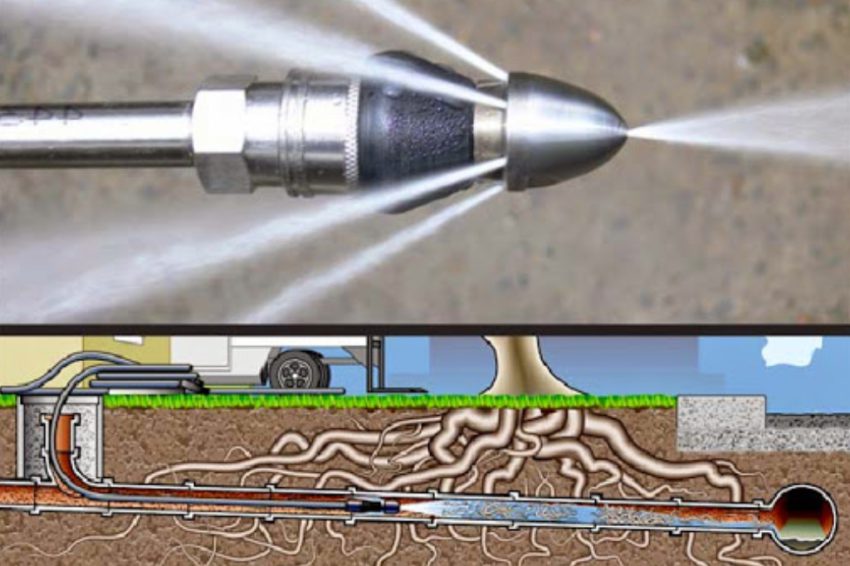
High-pressure water jetting is the fastest and most effective way to clear storm debris from Bournemouth drains.
Here’s why:
✔ Deep cleaning
Jetting cuts through roots, silt and hardened grease.
✔ No chemicals required
Safe for homes, gardens and the environment.
✔ Prevents long-term damage
Removes debris that would otherwise harden into full blockages.
✔ Works in all pipe sizes
From small domestic pipes to large garden drains.
✔ Essential for coastal homes
Saltwater and sand increase post-storm drain vulnerability.
🏠 Bournemouth Homes Most at Risk
Certain areas in Bournemouth experience storm-related problems more frequently, including:
- Properties near West Cliff, Southbourne or Boscombe
- Homes with large garden trees (especially willow, oak or ash)
- Older houses with clay or pitch fibre pipework
- Terraced properties with shared drainage systems
- Coastal homes impacted by sand and sediment
If your property falls into one of these categories, routine jetting after storms is highly beneficial.
🧰 What Happens During a Professional Jetting Service?
A Bournemouth drainage engineer typically performs:
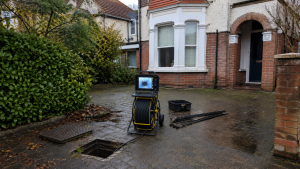
- Initial inspection and assessment
- Insertion of a jetting hose into the affected drain
- High-pressure water stream flush
- Breakdown and removal of root and silt build-up
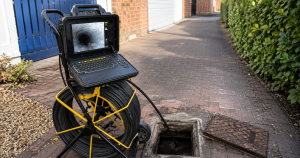
- Final CCTV check to ensure the pipe is clear
This process keeps the pipework flowing smoothly and prevents expensive repair bills later.
🛑 When to Book Jetting Immediately
You should schedule jetting straight away if you notice:
- Stormwater overflowing from manholes
- Gurgling indoors during rainfall
- Bad smells near garden drains
- Water pooling around patios or driveways
Delaying jetting increases the risk of pipe collapse or large blockages.
Drain Jetting FAQs
Does jetting damage old drains?
No. When performed correctly, jetting is safe for clay, plastic and pitch fibre pipes.
How often should jetting be done after storms?
Most Bournemouth homes benefit from annual jetting, or more frequently in storm-heavy seasons.
Should I jet drains if there are no visible issues?
Yes — hidden blockages still develop after storms, even if water appears to flow normally.
Can jetting clear tree roots?
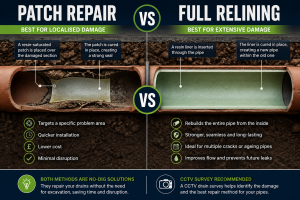
Jetting can remove early-growth roots, but advanced intrusion may require cutting or relining.