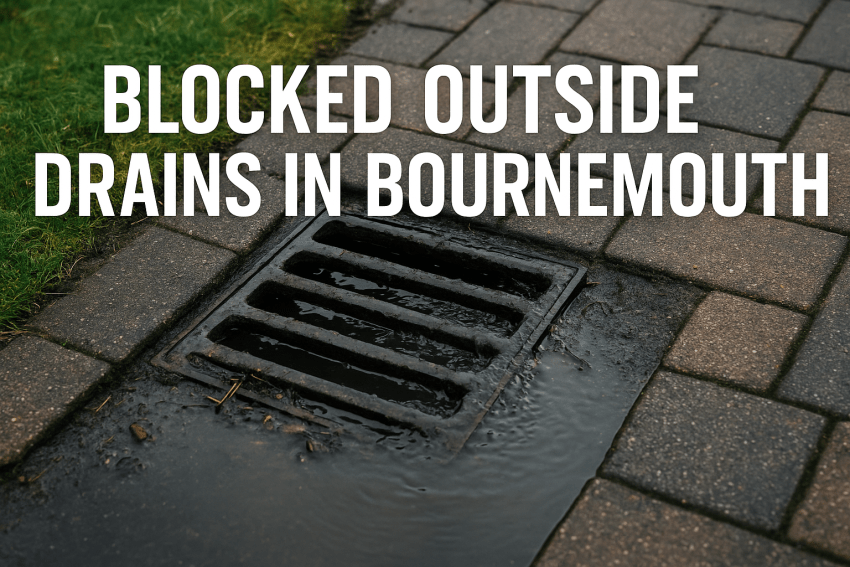
Blocked outside drains are one of the most common drainage issues faced by homeowners in Bournemouth, especially during winter or periods of heavy rainfall. When an outdoor drain begins to clog, the early signs can be subtle but dangerous to ignore. What starts as a slow-flowing gully or surface pooling can quickly escalate into flooding, property damage, and costly repairs.
This guide explains the early warning signs of blocked outside drains in Bournemouth, why they occur, and what you can do to fix or prevent them.
Why Outside Drains Block in Bournemouth
Bournemouth’s coastal climate and leafy residential areas mean outdoor drains are exposed to constant debris, weather, and natural wear. The most common causes include:
1. Leaves and Garden Debris
Autumn leaf fall and nearby hedges can quickly clog gullies and soakaways.
2. Mud, Silt, and Grit
Homes near Bournemouth’s sandy and clay areas often experience silt build-up in outdoor drains.
3. Food Waste and Incorrect Disposal
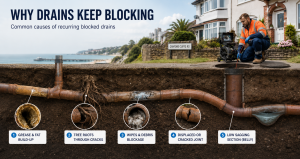
Fat, oil, and food scraps washed outside can solidify inside drain pipes.
4. Tree Root Intrusion
Mature trees in Bournemouth gardens often infiltrate drains, restricting flow.
5. Heavy Rainfall
Sudden downpours overwhelm drains that are partially blocked.
Early Warning Signs Homeowners Should Not Ignore
1. Slow Water Flow Around the Gully
If water takes longer to disappear after rain or cleaning activities, an obstruction is starting to form.
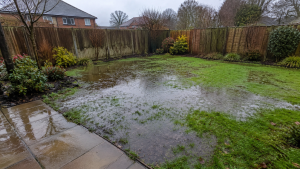
2. Water Pooling on Patios or Driveways
Standing water indicates the drain isn’t carrying rainwater away properly.
3. Bad Smells Near the Drain
Rotting leaves, grease, or stagnant water often cause unpleasant odours.
4. Gurgling or Bubbling Sounds
These noises suggest air being forced through partially blocked pipes.
5. Rising Water Levels During Rain
If water rises instead of draining, this is a sign of a developing blockage.
6. Overflowing Drain Covers
This is one of the most urgent warnings — it means water has nowhere to escape.
Why Blocked Outside Drains Are Common in Bournemouth
Bournemouth’s mix of sandy soils, heavy woodland areas, coastal weather patterns, and garden-heavy suburbs increases the risk of external blockages.
Homes in areas like Westbourne, Winton, Charminster, and Southbourne often experience repeated outdoor drainage issues due to leaf debris and tree roots.
DIY Ways to Check and Fix Simple Outdoor Drain Problems
1. Remove Visible Debris
Clear leaves, stones, mud, and garden waste from the surface grate.
2. Flush With a Hose
Running water into the gully can help clear loose silt.
3. Use a Drain Rod
Rod from the access point to break minor blockages.
4. Boiling Water (Grease-Related Only)
Can help melt fat deposits at the top of the gullies.
Avoid chemical drain cleaners outdoors — they can damage soil and pipe seals.
When Professional Help Is Needed
1. Repeated Flooding or Pooling
This means the blockage is deeper in the system.
2. Bad Smells That Return
Suggests decomposing material trapped inside.
3. Water Backing Up During Rainfall
An emergency sign of a major obstruction.
4. Tree Root Intrusion
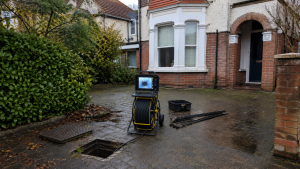
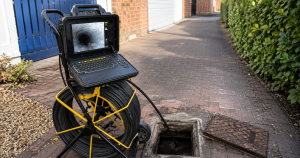
Only CCTV surveys and jetting/relining can resolve this.
5. Multiple External Drains Affected
This points to a shared or main line blockage — urgent specialist work required.
How to Prevent Future Blockages
- Clear drain grates regularly
- Install drain guards
- Avoid sweeping soil or debris into drains
- Dispose of fats and oils properly
- Trim back trees and hedges
- Get annual CCTV checks for older Bournemouth properties
Local Insight for Bournemouth Homeowners
Bournemouth’s combination of sea air, tree-lined streets, and varied soil types means blocked outdoor drains are extremely common — especially during winter storms. Spotting the early signs helps prevent bigger problems like flooding, damage to patios, or foul-water backups.
FAQs About Blocked Outside Drains in Bournemouth
Q1: What causes blocked outside drains in Bournemouth?
Leaves, soil, mud, grease, and garden debris often cause drain blockages, especially in autumn and winter.
Q2: Is a blocked outside drain an emergency?
If water is backing up or overflowing, it should be treated as urgent. Minor slow drainage can often be managed quickly.
Q3: Can tree roots block an outside drain?
Yes — tree roots are a common cause in Bournemouth due to the number of mature garden trees.
Q4: Should I use chemicals to clear an outdoor drain?
No, chemicals can damage pipes and the environment. Mechanical cleaning or jetting is safer.
Q5: When should I call a drainage specialist?
If flooding continues, smells return, or DIY methods fail, a professional CCTV survey or jetting is recommended.