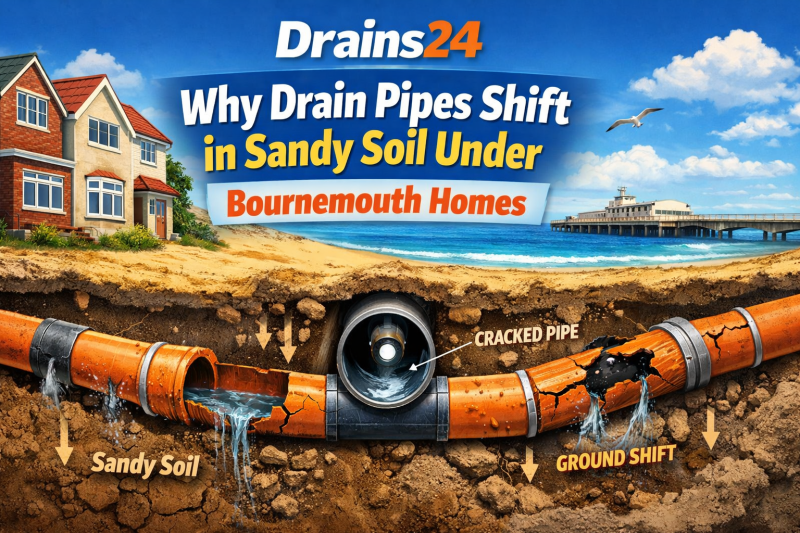
Drain pipe movement in Bournemouth is a common cause of recurring drainage problems in residential properties. In many cases, the issue develops gradually as sandy and mixed soil conditions allow underground pipes to shift beneath the home.
At Drains24, this type of issue is frequently identified during inspections carried out by professional drain unblocking in Bournemouth when repeat clearing has failed to resolve the underlying problem.
How sandy soil causes drain pipe movement in Bournemouth
Unlike compact clay, sandy soil offers limited structural support. Over time, moisture movement, vibration, and minor settlement allow drainage pipes to shift from their original position.
As alignment changes, pipes may partially separate, dip, or develop low points where waste accumulates. These defects rarely cause immediate failure, which is why problems often appear gradually rather than suddenly.
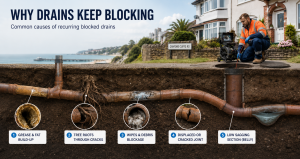
Why drain pipe movement in Bournemouth causes recurring blockages
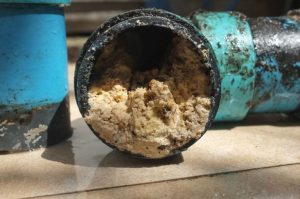
When waste builds up due to misalignment, clearing restores temporary flow but does not correct the pipe position. As a result, debris quickly returns to the same problem area.
This is why some Bournemouth homeowners experience repeat issues despite regular maintenance. The problem is not what enters the drain, but how the pipe sits within the ground.
Drain defects commonly revealed during inspection
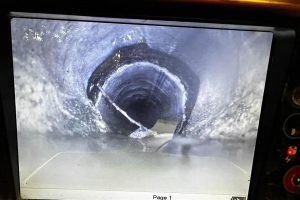
A CCTV drain inspection often reveals defects linked directly to soil movement, including:
- Offset pipe joints
- Localised dips holding standing water
- Hairline fractures caused by ground settlement
- Older materials reacting poorly to movement
In some properties, pitch fibre drains are discovered collapsing internally due to age combined with unstable ground conditions.
Interceptor traps and movement-related failures
Properties fitted with an interceptor trap or buchan trap can experience hidden problems when surrounding ground shifts. If the trap settles unevenly, flow can be disrupted without visible surface symptoms.
In these cases, a blocked interceptor trap may be wrongly blamed on debris when the true cause is misalignment or structural distortion.
Why inspections matter in Bournemouth homes
Drain inspections are especially valuable in Bournemouth because surface symptoms rarely reflect underground conditions. Coastal moisture, seasonal rainfall, and sandy subsoil all contribute to gradual changes below ground level.
Drains24 drainage specialists use inspections to identify whether a drainage issue is caused by blockage, structural movement, or pipe material failure before repairs are recommended.
When to act before damage worsens
Early signs of pipe movement include slow drainage after clearing, recurring odours, or inspection reports showing standing water in otherwise clear pipes.
Addressing these issues early prevents more severe damage, reduces repair costs, and avoids disruption caused by collapsed or inaccessible drainage sections.
Summary
In many properties, drain pipe movement in Bournemouth remains undetected until repeat drainage problems occur.
Drain pipes beneath Bournemouth homes often fail due to soil movement rather than misuse. Sandy ground allows gradual shifts that compromise alignment, leading to recurring issues that clearing alone cannot fix. Proper inspection and diagnosis remain the most effective way to identify and resolve these hidden problems.
FAQs
Why do drain pipes move in sandy soil?
Sandy soil provides less structural support than clay. Over time, moisture movement and settlement can allow pipes to shift from their original alignment.
Can drain clearing fix problems caused by pipe movement?
Clearing restores temporary flow but does not correct misaligned pipes. If movement is the cause, blockages usually return.
How can I tell if pipe movement is causing repeat issues?
Recurring slow drainage, bad odours, or inspection reports showing standing water often indicate alignment problems rather than simple blockages.
Are older drain materials more affected by ground movement?
Yes. Materials such as pitch fibre drains are particularly vulnerable to deformation when the surrounding ground shifts.
What is the best way to diagnose drain movement issues?
A professional CCTV drain inspection allows specialists to identify dips, offsets, and structural defects that are not visible from the surface.