Bournemouth drain repairs may be needed when heavy rain exposes problems that normally stay hidden underground. A drain might cope during dry weather, but start overflowing, backing up or holding water once rainfall puts extra pressure on the system.
Some heavy-rain drainage problems come from leaves, silt, debris or surface water entering the drain. Others point to damaged pipework, poor gradients, root intrusion, cracked joints, collapsed sections or an older drainage layout that no longer works properly.
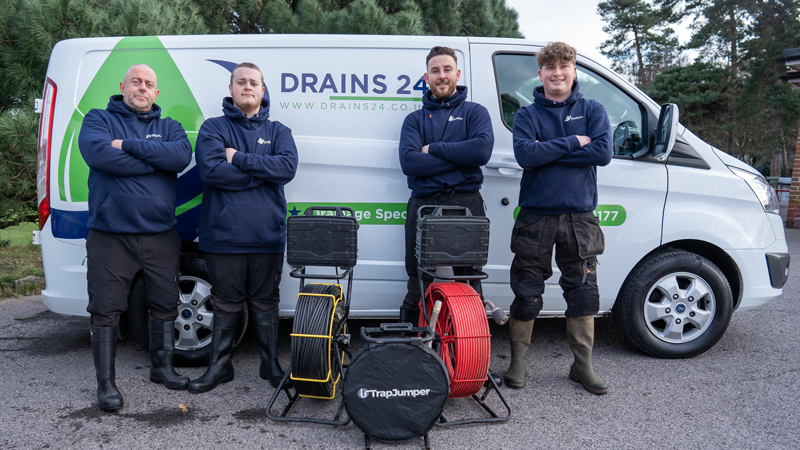
Bournemouth Drains24 helps homeowners, landlords and businesses deal with blocked drains, CCTV drain surveys, emergency drainage problems and drain repairs across Bournemouth and nearby areas.
Why heavy rain can reveal hidden drain damage
Heavy rain increases the amount of water moving through gullies, underground pipes, inspection chambers and surface water drainage systems. If the drain already has a partial blockage, poor fall or damaged pipe section, the extra water can expose the problem quickly.
A drain that only just works during normal conditions may overflow when rainfall increases. Water may back up from gullies, sit around inspection chambers or collect near patios, driveways and garden areas.
When this happens more than once, the issue may need more than a quick clear. A proper investigation can show whether the drain needs cleaning, unblocking, CCTV inspection or repair work.
Common signs of drainage problems after heavy rain
After heavy rainfall, drainage faults can show in several ways. Some signs appear immediately, while others become noticeable once the rain stops.
- Outside gullies overflowing during rainfall.
- Water pooling near inspection chambers.
- Foul smells after heavy rain.
- Drains gurgling when water runs away.
- Water backing up into lower fixtures.
- Soft, wet or sunken ground above a drain run.
- Repeat blockages after storms.
- Debris or silt washing into inspection chambers.
One isolated issue may come from leaves or surface debris. Repeated problems suggest the drain needs closer attention.
When a blockage becomes a repair issue
Not every rain-related blockage needs repair. Leaves, silt and loose debris can block gullies and pipes, especially after storms or windy weather. Once cleared, the system may return to normal.
However, the same drain should not keep failing every time it rains. If water backs up repeatedly, something may be preventing the pipe from carrying water properly.
A blockage may point to a repair issue when:
- The same drain overflows after every heavy shower.
- Water sits in the pipe after clearing.
- Silt keeps returning to the same section.
- Roots appear inside the drain.
- The pipe has cracked, dropped or moved.
- Inspection chambers show signs of movement or damage.
In these situations, Bournemouth drain repairs may be needed to deal with the cause rather than only clearing the symptom.
Why CCTV surveys are useful after repeat rain problems
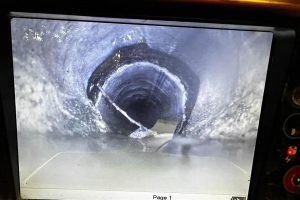
A drain can look normal from the surface while a defect sits underground. CCTV inspection helps show what is happening inside the pipe.
A CCTV drain survey can identify cracks, displaced joints, root entry, silt build-up, standing water, poor gradients and partial collapse. It can also help locate the problem accurately before repair work is planned.
This matters after heavy rain because several issues can create similar symptoms. An overflowing gully may come from a blockage, a damaged pipe, a low section, a root restriction or an overloaded surface water run.
Heavy rain and cracked drain pipes
Cracked pipes can cause problems during wet weather because water escapes from the drain or surrounding groundwater enters the pipe. Both issues can affect how the system performs.
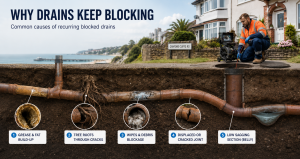
If water escapes, the ground around the pipe may soften. Over time, this can lead to movement, dips, voids or further damage. If groundwater enters through cracks or open joints, it can bring silt into the pipe and increase the risk of blockage.
A cracked pipe may not cause obvious trouble every day. Heavy rainfall can make the fault easier to spot because the system has to handle more water.
Displaced joints and poor pipe alignment
Drain pipes need a clear route and correct fall so water can move away properly. If a joint shifts out of line, waste and silt can catch on the edge. During heavy rain, that restriction can slow the flow and cause water to back up.
Displaced joints can also let roots into the drain. Once roots enter, they catch debris and create a blockage point.
Where a joint has moved, repeated cleaning may restore temporary flow, but it may not stop the problem returning.
Root intrusion after wet weather
Tree roots are often drawn towards moisture. Small cracks, loose joints and weak seals can let roots enter a drain. Once inside, they grow into the pipe and restrict flow.
After heavy rain, root-affected drains may block more easily because water brings extra silt, leaves and debris through the system. These materials catch around the root mass and reduce the available pipe space.
If roots keep returning, root removal may need to be combined with CCTV inspection and repair advice. Otherwise, the entry point can remain open.
When drain unblocking is enough
Sometimes heavy rain simply washes debris into gullies and drains. In those cases, professional unblocking may restore normal flow without repair work.
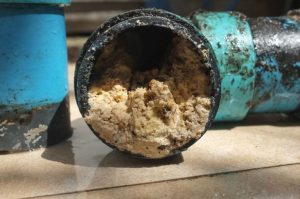
A drain unblocking visit can clear silt, leaves, grease, loose debris and other obstructions. The engineer should then test the drain to check that water flows away properly.
If the drain runs clearly after unblocking and no warning signs remain, repair may not be needed. If the same problem returns, a deeper fault may exist.
Emergency problems after heavy rain
Some drainage problems need urgent attention. Heavy rain can turn a slow drain into a more serious issue if foul water backs up, toilets cannot be used, or water starts entering the property.
Urgent warning signs include:
- Foul water overflowing outside.
- Sewage backing up into toilets or lower fixtures.
- Water entering the property.
- Several drains failing at the same time.
- Strong smells around inspection chambers.
- Drainage problems affecting a business or rental property.
For urgent drainage issues, emergency drainage services can help restore flow and reduce disruption.
Surface water, soakaways and drainage layout
Not every rainwater problem comes from the foul drainage system. Some issues involve surface water drains, gullies, soakaways, driveway drainage or garden drainage.
If rainwater has nowhere to go, it may collect around patios, lawns, driveways or building edges. Poor drainage layout can increase pressure on nearby pipes and create repeated wet-weather problems.
Where soakaways are involved, soakaway drainage may need checking to see whether the system still disperses water properly.
Drain repairs and building-related drainage standards
Where drainage repairs involve pipe layout, access, inspection chambers or building-related drainage work, it helps to understand the wider standards that apply. The UK Government’s Approved Document H for drainage and waste disposal provides useful guidance on drainage access, pipework and waste disposal considerations in England.
For homeowners, this does not mean every blocked drain becomes a building project. It simply shows why proper access, correct pipe layout and clear repair planning matter when drainage problems keep returning.
How to reduce future rain-related drain problems
Heavy rain cannot be stopped, but the risk of drainage problems can be reduced with regular attention and good habits.
- Keep leaves and silt away from outside gullies.
- Check that gully grates are not blocked by garden debris.
- Keep fat, oil and grease out of kitchen sinks.
- Only flush toilet paper.
- Arrange checks if the same drain floods repeatedly.
- Act quickly if ground starts dipping near a drain run.
- Use CCTV inspection where wet-weather problems keep returning.
These steps help protect the system and make it easier to deal with small issues before they become larger repairs.
Clear investigation helps avoid repeated disruption
Heavy rain can make drainage problems more visible, but the rain itself is not always the main cause. The real issue may sit inside the pipe, around a joint, near a root entry point or within the surface water drainage layout.
Bournemouth Drains24 can help with drain unblocking, CCTV drain surveys, emergency drainage services, soakaway issues, root removal and drain repairs.
If your drains overflow, back up or flood repeatedly after heavy rain, it is worth checking whether the system needs repair rather than another temporary clear.
FAQs
Why do my Bournemouth drains overflow after heavy rain?
Drains may overflow after heavy rain because of silt, leaves, grease, root intrusion, poor gradients, damaged pipes or overloaded surface water drainage. Repeated overflow should be investigated.
Does heavy rain mean my drain pipe is damaged?
Not always. Heavy rain can expose a simple blockage, but repeat problems may suggest cracked pipes, displaced joints, root entry or poor drainage layout.
When should I book a CCTV survey after heavy rain?
A CCTV survey is useful if the same drain floods repeatedly, water drains slowly after clearing, roots are suspected, or the engineer thinks the pipe may be damaged.
Can drain unblocking fix rain-related drainage problems?
Drain unblocking can fix problems caused by silt, leaves, grease or debris. If the pipe is cracked, collapsed or misaligned, repair work may also be needed.
Are overflowing outside drains an emergency?
Overflowing outside drains can become urgent if foul water is present, sewage backs up, water enters the property or several drains fail at the same time.